The French Moralists
  • Home
  • Daily Aphorism
  • La Rochefoucauld
  • La Bruyère
  • Chamfort
  • Abbé Galiani
  • Molière
  • Saint-Evremond
  • Stendhal

Daily Aphorism

7/21/2012

0 Comments


The same justice of spirit that makes us write good things makes us stop and suspect that they are not good enough to merit praise. 

A medioce spirit tries to write divinely; a good one tries to write reasonably.


La même justesse d'esprit qui nous fait écrire de bonnes choses nous fait appréhender qu'elles ne le soient pas assez pour mériter d'être lues.  

Un esprit médiocre croit écrire divinement; un bon esprit croit écrire raisonnablement.


- 
La Bruyère, Characters, On Writing, Aphorism  18
Picture
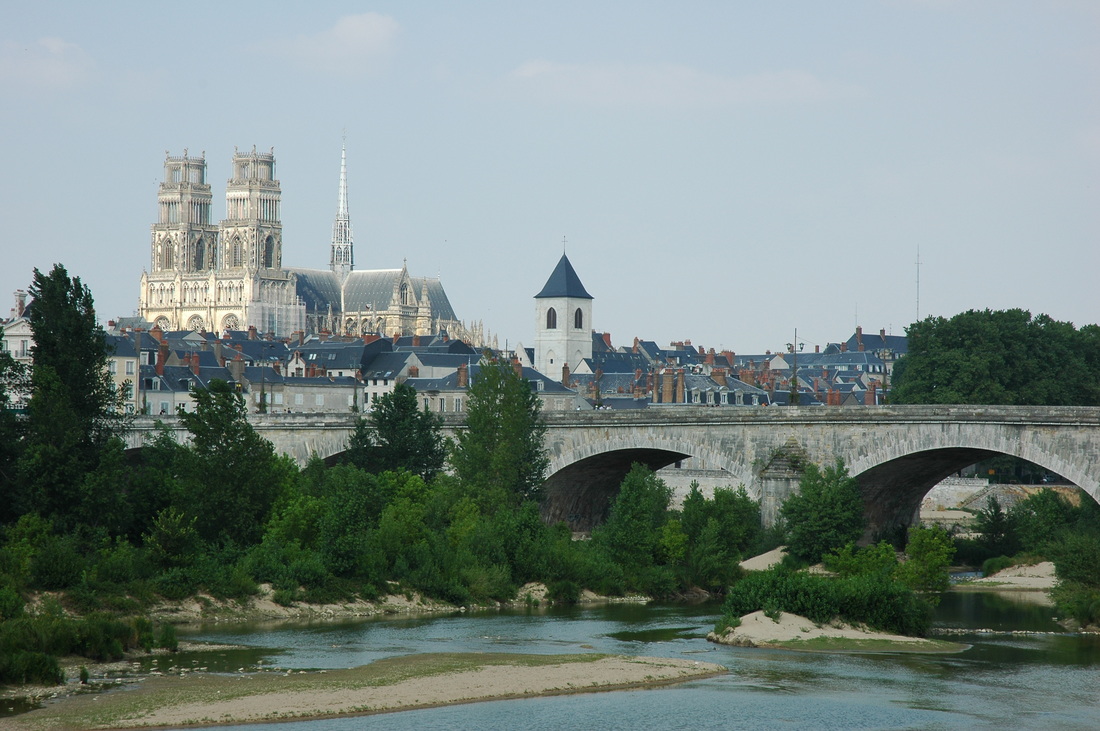
Orléans, where La Bruyère studied law as a young man.
0 Comments

Daily Aphorism

7/20/2012

0 Comments


It is a way for us to somehow add to beautiful actions, to praise them with a sincere heart.

C'est en quelque sorte se donner part aux belles actions, que de les louer de bon coeur.

- La Rochefoucauld, Maxims, aphorism 432

Picture
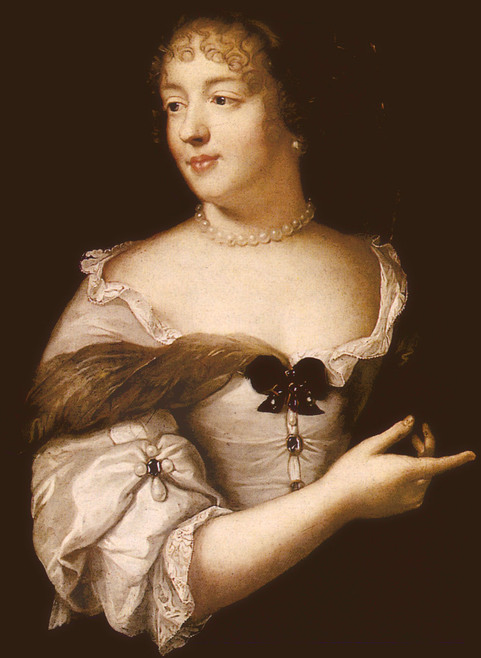
Madame de Sévigné, the famous letter writer. She was with La Rochefoucauld near his death, when he was 67 years old; she says: "... his disposition and resignation are worthy of admiration... he talks of his illness and death as if it were that of a neighbor, and sees the near approach of the end of his life with perfect calmness..."
0 Comments

Daily Aphorism

7/19/2012

0 Comments


Unimaginative people save themselves from their lives by talking a lot.

La ressource de ceux qui n'imaginent pas est de conter.


- Vauvenargues, from Maxims and Thoughts


Picture
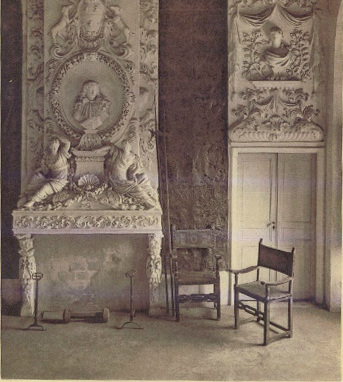
Inside the chateau where Vauvenargues was raised.
Picture
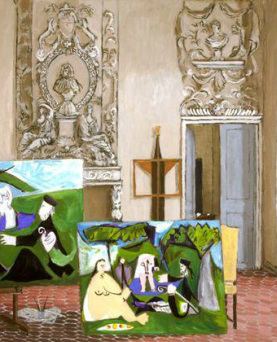
Which Picasso later bought and painted in.
0 Comments

Daily Aphorism

7/18/2012

0 Comments


People intentionally display vices that are successful, but if certain pardonable weaknesses are discovered, they feel overwhemingly embarrassed.

 On affiche des vices effectifs; et si de certaines faiblesses pardonnables venaient à paraître, on s'en trouverait accablé.

 - Vauvenargues, from Advice to a Young Man, On Our False Judgment of Things

Picture
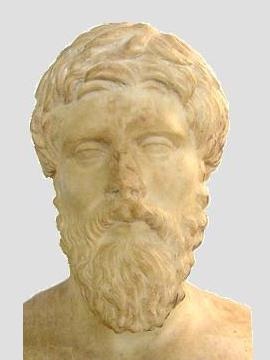
Plutarch, who Vauvenargues read throughout his childhood and had great admiration for.
0 Comments

Daily Aphorism

7/17/2012

0 Comments


With virtue, ability, and good conduct, a person can still be unbearable. Manners, which people neglect as something small, are often what make others decide for or against you: a light attention to being sweet and polished prevents their bad judgments. So little can make people think you are proud, uncivil, scornful, or inconsiderate: it takes even less to make them conclude the contrary.  

Avec de la vertu, de la capacité, et une bonne conduite, l' on peut être insupportable. Les manières, que l'on néglige comme de petites choses, sont souvent ce qui fait que les hommes décident de vous en bien ou en mal: une légere attention à les avoir douces et polies prévient leurs mauvais jugements. Il ne faut presque rien pour être cru fier, incivil, méprisant, désobligeant: il faut encore moins pour être estimé tout le contraire.


- La Bruyère, Characters, On Society and Conversation, Aphorism 31

Picture
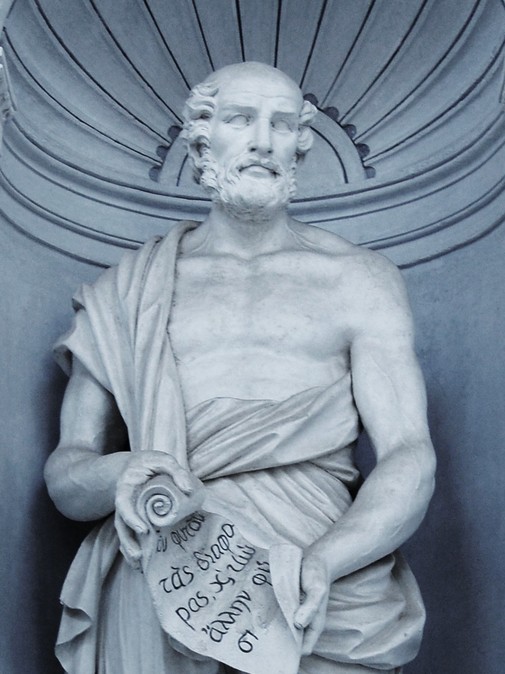
Theophrastus: Aristotle chose him as his successor in running the school he founded, the Lyceum. La Bruyère first published his own aphorisms as an appendix to his translation of Theophrastus' character sketches.
0 Comments

Daily Aphorism

7/16/2012

0 Comments

 
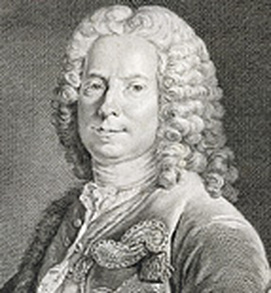
I consider an honest man someone who feels refreshed when he hears of a good deed, and a dishonest man someone who raises frivolous objections to it. This is a phrase of M. de Mairan.

J'appelle un honnête homme celui à qui le récit d'une bonne action rafraîchit le sang, et un malhonnête celui qui cherche chicane à une bonne action. C' est un mot de M. de Mairan.

- Chamfort, Caractères et Anecdotes, aphorism 1159

Picture
M. de Mairan: a geophysicist, astronomer, and chronobiologist who was the first to study circadian rhythms.
0 Comments

Daily Aphorism

7/15/2012

0 Comments


True eloquence consists in saying everything that is necessary and only what is necessary.

La véritable éloquence consiste à dire tout ce qu'il faut, et à ne dire que ce qu'il faut.


- La Rochefoucauld, Maximes et Réflexions diverses, aphorism 250


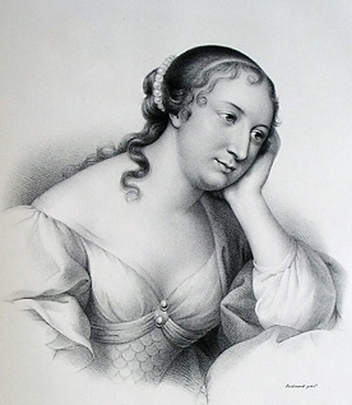
Picture
Madame de La Fayette (1634-1693), a close friend of La Rochefoucauld from 1655 to 1680. She said of him, "M. de La Rochefoucauld gave me esprit, but I reformed his heart." (« M. de La Rochefoucauld m’a donné de l’esprit, mais j’ai réformé son cœur. »)
0 Comments

Daily Aphorism

1/22/2012

0 Comments


It seems that if there is an unjust, bizarre and unfounded suspicion that people call jealousy, then that other jealousy which is a just and natural feeling, founded on our reason and experience deserves another name.
...
People who never consider our feelings and who never avoid situations that make us jealous do not deserve our jealousy; if only we were more influenced by what we see of their feelings and conduct than by our hearts.


Il semble que, s'il y a un soupçon injuste, bizarre et sans fondement, qu'on ait une fois appelé jalousie, cette autre jalousie que est un sentiment juste, naturel, fondé en raison et sur l'expérience, mériterait un autre nom.
...
Celles qui ne nous ménagent sur rien, et ne nous épargnent nulles occasions de jalousie, ne mériteraient de nous aucune jalousie, si l'on se réglait plus par leurs sentiments et leur conduite que par son coeur.


 - La Bruyère, On the heart, Du coeur, aphorism 29
0 Comments

Daily Aphorism

12/13/2011

0 Comments


I want ... death to find me still planting my cabbages with nonchalant disregard for her, and even less concern for the imperfection of my garden.

Je veux ... que la mort me trouve plantant mes choux; mais nonchalant d'elle, et encore plus de mon jardin imparfait.


- Montaigne, Essays I, That to study philosophy is to learn how to die

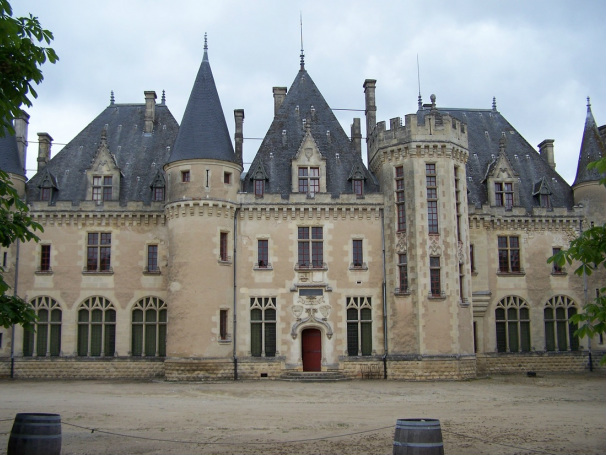
Picture
The Château de Montaigne, Montaigne's family home
0 Comments

Daily Aphorism

12/11/2011

0 Comments


Man arrives as a novice at each stage of his life.

L'homme arrive novice à chaque âge de la vie.


- Chamfort

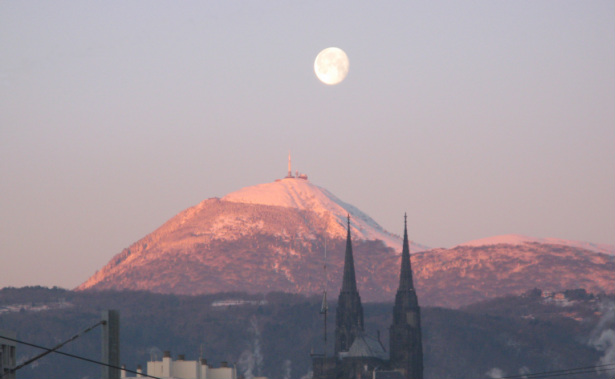
Picture
A view of the Puy-de-Dôme volcano from Chamfort's birth town.
0 Comments
<<Previous
Forward>>

    Archives

    October 2012
    July 2012
    January 2012
    December 2011
    November 2011
    October 2011

    RSS Feed


Powered by Create your own unique website with customizable templates.