The French Moralists
  • Home
  • Daily Aphorism
  • La Rochefoucauld
  • La Bruyère
  • Chamfort
  • Abbé Galiani
  • Molière
  • Saint-Evremond
  • Stendhal

Daily Aphorism

11/29/2011

0 Comments


Ah! My friend, at last I am leaving this world, where one's heart must either constantly break or constantly harden.

Ah! mon ami, je m'en vais enfin de ce monde, où il faut que le cœur se brise ou se bronze.


- Chamfort, his last words

Picture
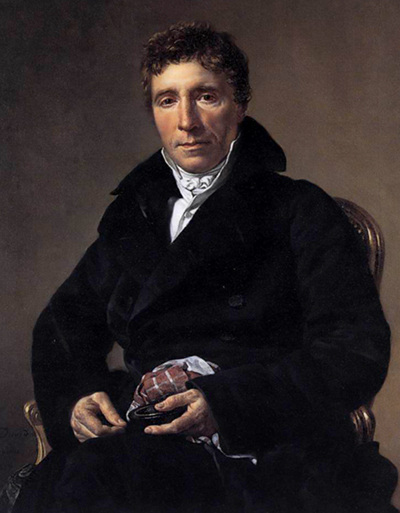
The Abbé Sieyès, to whom Chamfort said his last words.
0 Comments

Daily Aphorism

11/28/2011

0 Comments


An animal sees a storm coming; it is afraid, hides and waits for it to pass. A man sees a storm, imagines that an invisible being is the cause of it, is afraid of the being who has created the storm more than the storm itself, and finally believes that if he appeases this being, he can stop storms from coming. Such is a general definition of religion, which includes both true and false ones: I won't develop this idea further; nevertheless, I would maintain against every atheist [esprit fort] that everything that distinguishes us from beasts is the result of religion. A political society, government, luxury, inequality of conditions, sciences, abstract ideas, philosophy, geometry, the arts, in short everything, owes it's origin to this characteristic of our species.

La bête voit venir l'ouragan; elle a peur, se cache, et attend qu'il soit passé. L'homme voit l'ouragan, imagine qu'il existe un être invisible qui le cause, a peur de l'être qui le produit plus que de l'ouragan, et croit enfin qu'en apaisant cet être, il a un remède contre les ouragans. Telle est la définition générale de la religion; définition qui embrasse la vraie et les fausses: mais je m'arrête sur les développemens de cette idée; toutefois j'oserai soutenir contre tout esprit fort, que tout ce qui nous distingue des bêtes, est un effet de la religion. Société politique, gouvernement, luxe, inégalité des conditions, sciences, idées abstraites, philosophie, géométrie, beaux-arts , enfin tout doit son origine à ce caractéristique de notre espèce.

- Abbé Galiani, from a dialogue

Picture
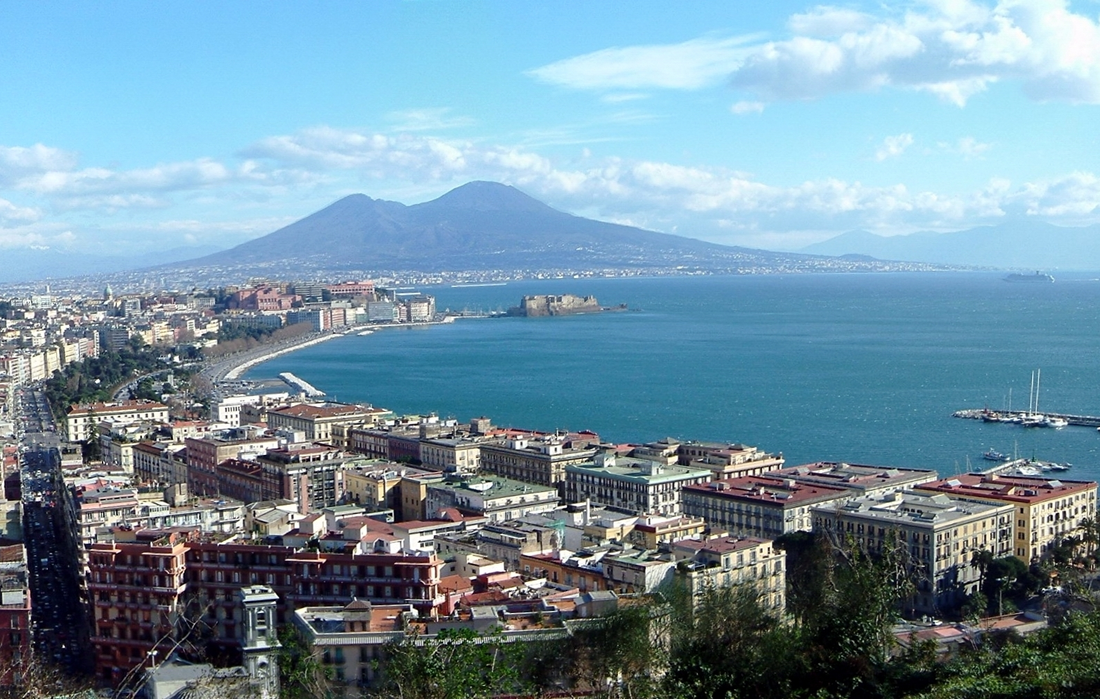
The Bay of Naples, where the Abbé Galiani spent most of his life
0 Comments

Daily Aphorism

11/27/2011

1 Comment


Familiarity is the apprenticeship of spirits.

La familiarité est l'apprentissage des esprits.


- Vauvenargues


Picture
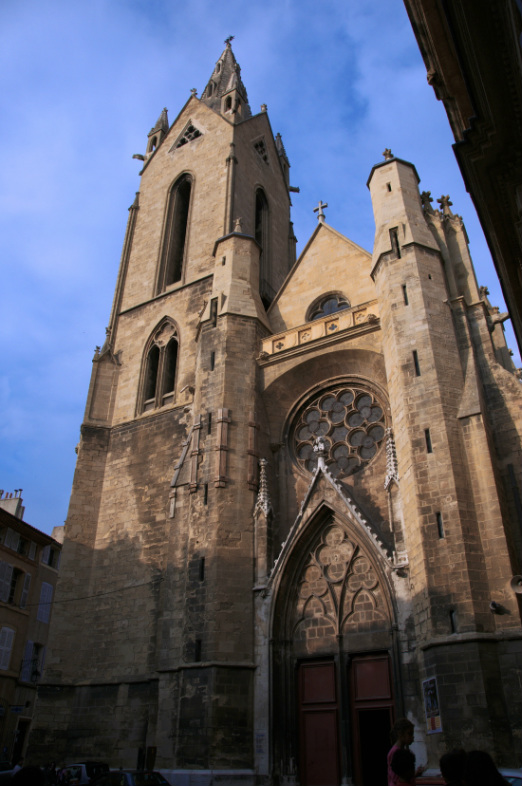
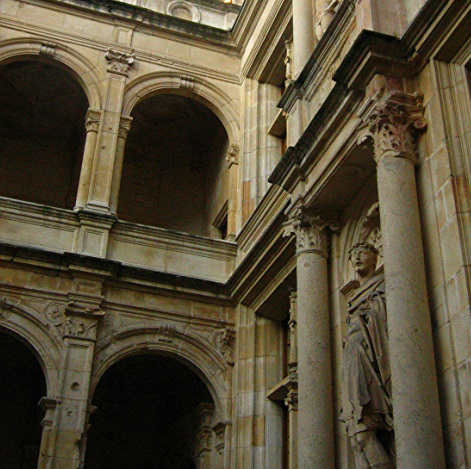
The Saint-Jean-de-Malte Cathedral in Aix-en-Provence, the town near which Vauvenargues was raised
1 Comment

Daily Aphorism

11/26/2011

0 Comments


In a love affair, it is enough to please with ones pleasant qualities and charms. However, to be happy in marriage, two people must love each other, or at least accept each others faults.   

En amour, il suffit de se plaire par ses qualités aimables et par ses agréments. Mais en mariage, pour être heureux, il faut s'aimer, ou du moins, se convenir par ses défauts. 


- Chamfort, aphorism 390


Picture
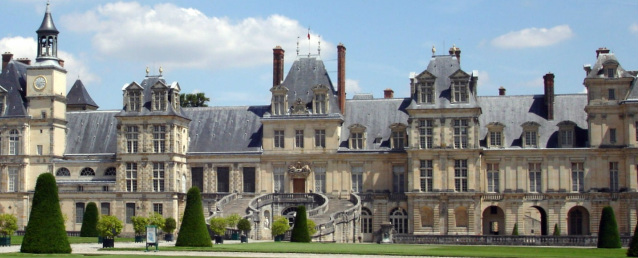
The Château de Fontainebleau, where Chamfort's first tragedy was performed
0 Comments

Daily Aphorism

11/25/2011

0 Comments


... May god preserve you from legally sanctioned freedom of the press! Nothing contributes more to making a nation vulgar, to destroying taste, to debasing eloquence and every sort of spirit. Do you know my definition of sublime oratory? It's the art of saying everything without being put in the Bastille, in a country where one isn't protected to say anything...

Dieu vous préserve de la liberté de la presse établie par édit. Rien ne contribue davantage à rendre une nation grossière, à détruire le goût, à abâtardir l'éloquence et toute sorte d'esprit. Savez-vous ma définition du sublime oratoire? C'est l'art de tout dire sans être mis à la Bastille, dans un pays où il est défendu de rien dire. ...


- Abbé Galiani, from a letter to Mme d'Épinay, Naples, September 24, 1774


Picture
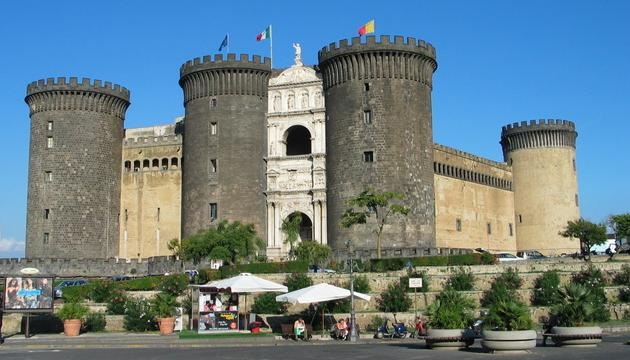
The Castel Nuovo in Naples, the city where the abbé Galiani spent most of his life.
0 Comments

Daily Aphorism

11/24/2011

0 Comments


It seems to me that being a philosopher is not worth as much as being wise... All I have done is sing, and dance, and be full of love; and the marvelous thing is that people have called me wise at this price, while they only call you a philosopher, who have taken infinite pains.

Il me semble que le titre de philosophe ne vaut pas celui de sage... Je n'avois fait que boire, que chanter, qu'être amoureux; et la merveille est qu'on m'a donné le nom de sage à ce prix, au lieu qu'on ne vous a donné que celui de philosophe, qui vous a coûté des peines infinies.


- Fontenelle, Volume I, Dialogues of Dead Ancients, Dialogue IV, On philosophy, Anacreon and Aristotle


Picture
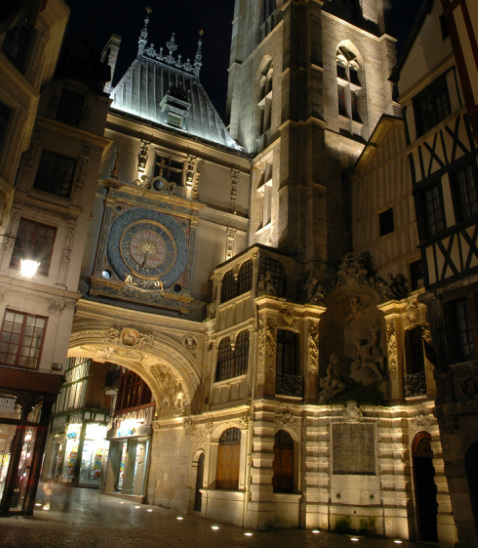
The Gros-Horloge in Rouen, the city where Fontenelle was born.
0 Comments

Daily Aphorism

11/22/2011

0 Comments


If we did not have any faults, we would not take as much pleasure in noticing those of others.

Si nous n'avions point de défauts, nous ne prendrions pas tant de plaisir à en remarquer dans les autres.


- La Rochefoucauld, aphroism 31 


Picture
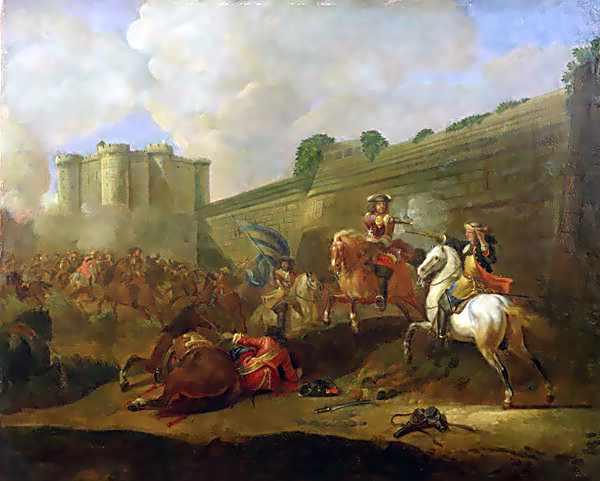
A depiction of the battle of the Faubourg St. Antoine with the Bastille in the background. La Rochefoucauld was shot in the head during the battle, though he recovered.
0 Comments

Daily Aphorism

11/21/2011

0 Comments


Every time the human brain cannot form an idea of something, a proof cannot change a persons' persuasion... It is impossible for us to form an idea of not being free. We therefore prove to ourselves that everything happens by necessity, and we always act as if we had a choice. The explanation of this phenomenon is that ideas do not come from reasoning; they come before reasoning, and follow from our sensations.

Toutes fois que la cervelle humaine ne peut pas se former d'idée de quelque chose, la démonstration ne peut pas se changer en persuasion... Il nous est imposible de nous former l'idée de n'être pas libres. Nous démontrerons donc que nous ne le sommes pas, et nous agirons toujours comme si nous l'étions. L'explication de ce phénomène est que les idées ne sont pas des suites du raisonnement; elles précèdent le raisonnement, elles suivent les sensations.


- Abbé Galiani, from a letter to Madame d'Epinay, Naples, 23 November, 1771 


Picture
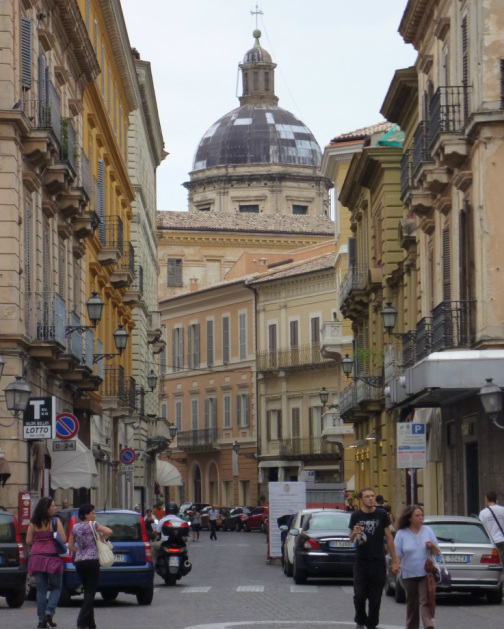
A street in Chieti, where the Abbé Galiani was born
0 Comments

Daily Aphorism

11/20/2011

1 Comment


... He did not look for what was laughable in men in order to disparage them. He found what was laughable in them in order to enjoy laughing...

... Il ne cherche pas dans les hommes ce qu'ils ont de ridicule, pour les décrier. Il trouve ce qu'ils ont de ridicule, pour s'en réjouir...


- Saint-Evremond, from Portrait of M. de Saint-Evremond, by himself


Picture
Hôtel d'Escoville in Caen, the town in which Saint-Évremond was a student for a time
1 Comment

Daily Aphorism

11/19/2011

0 Comments


A great soul is above injury, injustice, sadness and mockery; and it would be invulnerable, if it didn't suffer by compassion.

Une grande âme est au-dessus de l'injure, de l'injustice, de la douleur, de la moquerie; et elle seroit invulnérable, si elle ne souffroit par la compassion.


- La Bruyère, On men, aphorism 81


Picture
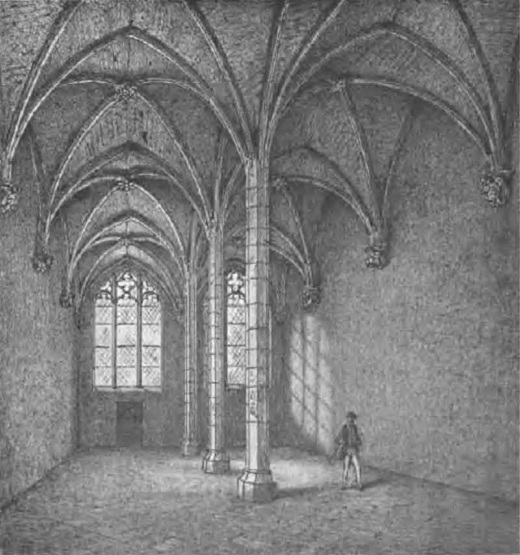
The Great Hall of the old University of Orléans, the university La Bruyère attended when young
0 Comments
<<Previous

    Archives

    October 2012
    July 2012
    January 2012
    December 2011
    November 2011
    October 2011

    RSS Feed


Powered by Create your own unique website with customizable templates.